
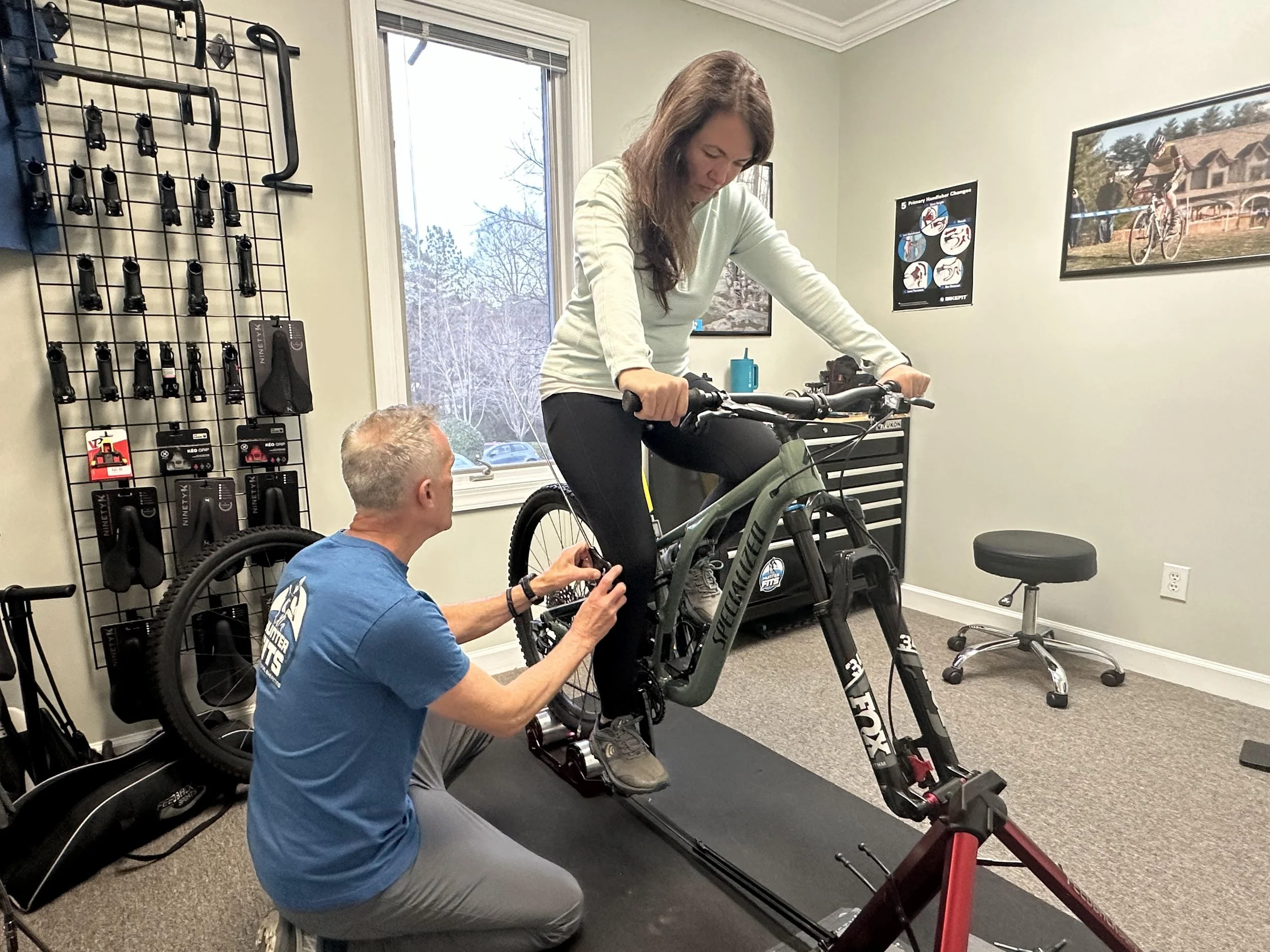
Individualized Fits for Every Rider
Why It Matters
Todd’s approach to fitting starts with understanding each rider’s body and their unique needs and challenges on the bike. Extra time is devoted to understanding a rider's cycling goals, injury history, and current issues. By assessing the body's mechanical symmetry, flexibility, and mobility, Todd makes necessary adjustments, allowing each rider to experience the benefits of a perfectly tailored fit: a smooth and controlled pedal stroke, a relaxed upper body, and maximum power output.
-
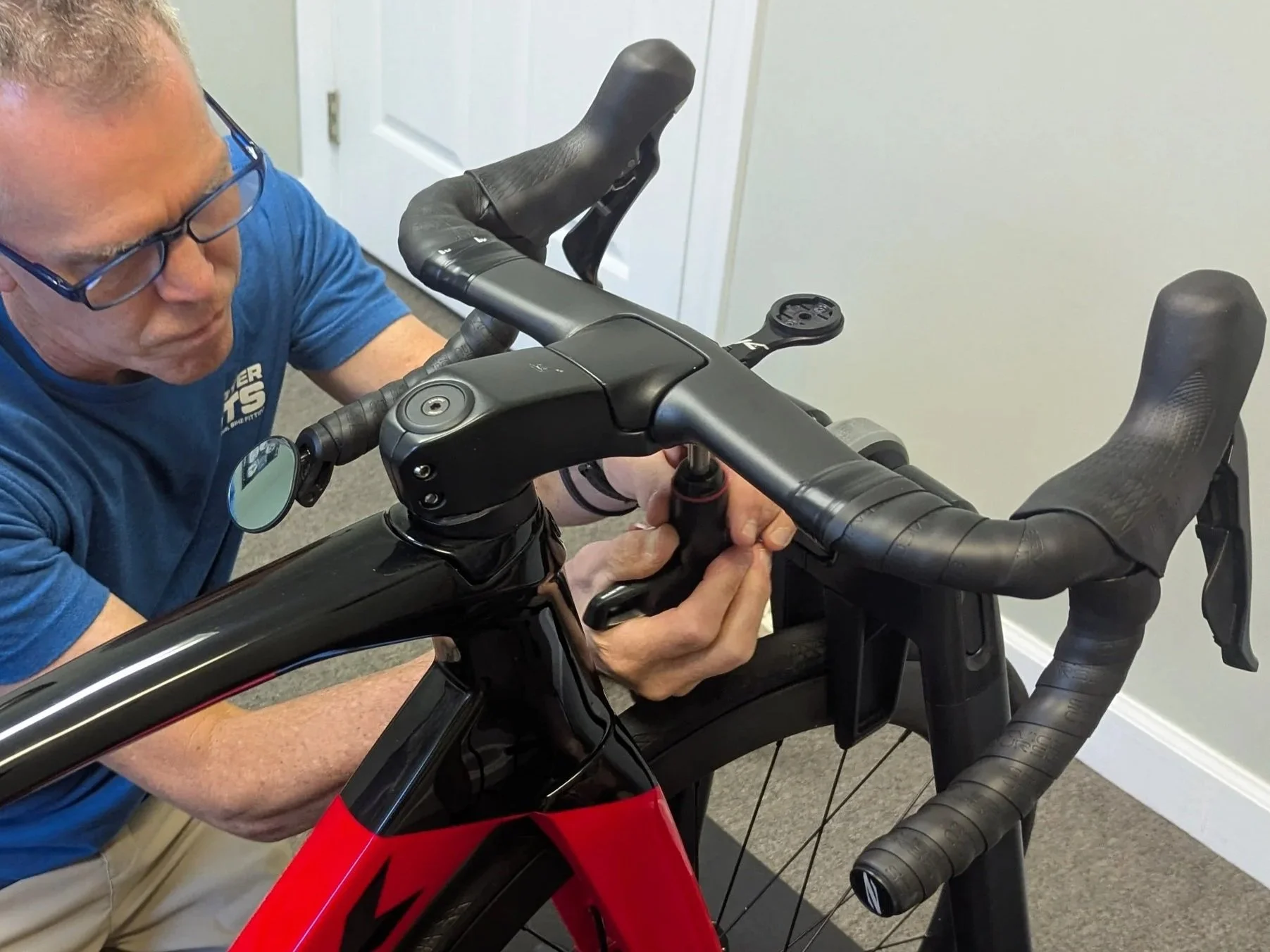
Handlebar Position
As the primary point of contact between the rider and bike, a proper handlebar position increases overall comfort while benefiting posture, braking, pedaling, turning, and overall control.
-
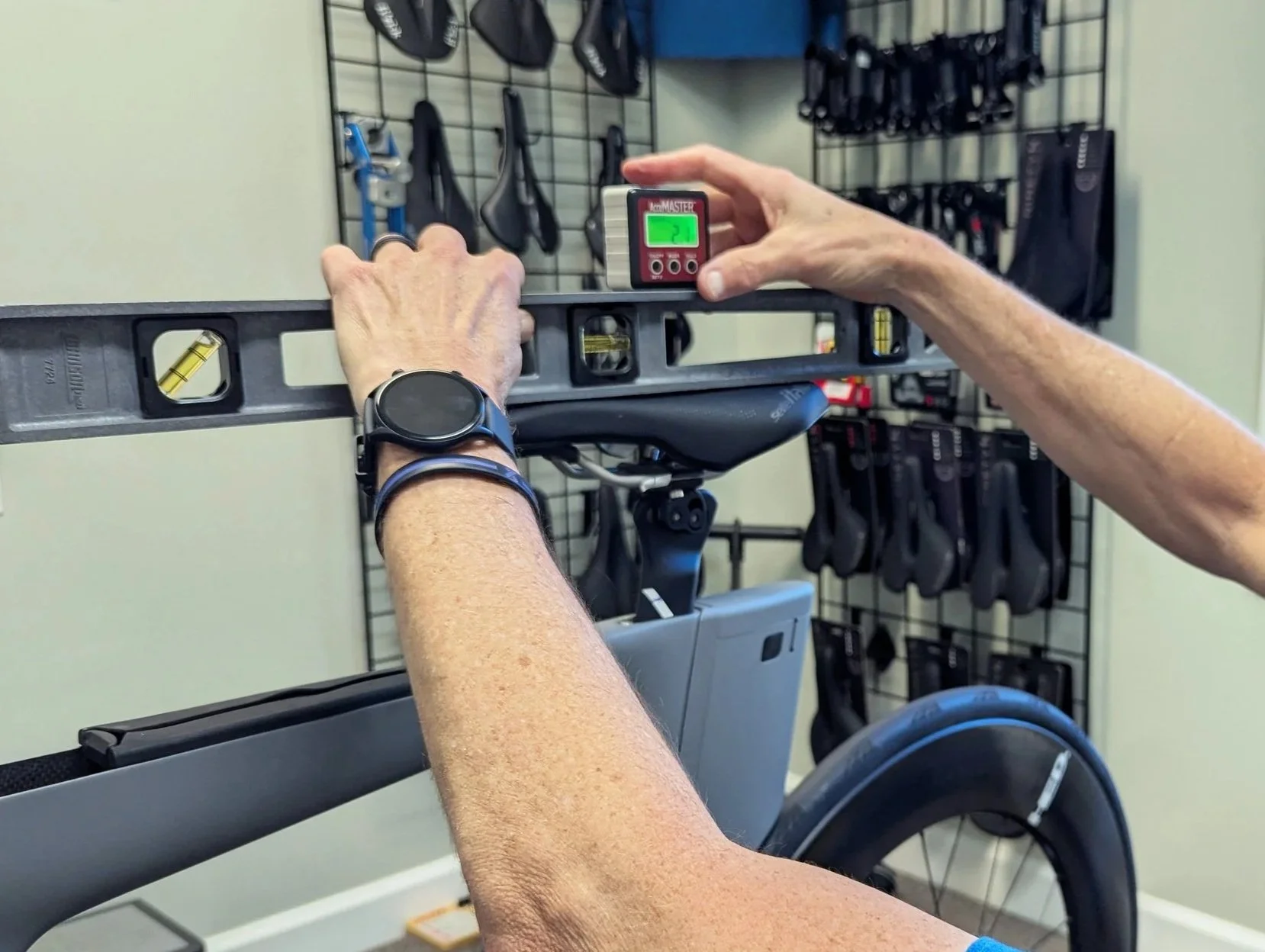
Saddle Position
Ensuring a correct saddle position allows for the proper hip angle and ideal sit-bone pressure distribution—increasing comfort for long hours in the saddle.
-
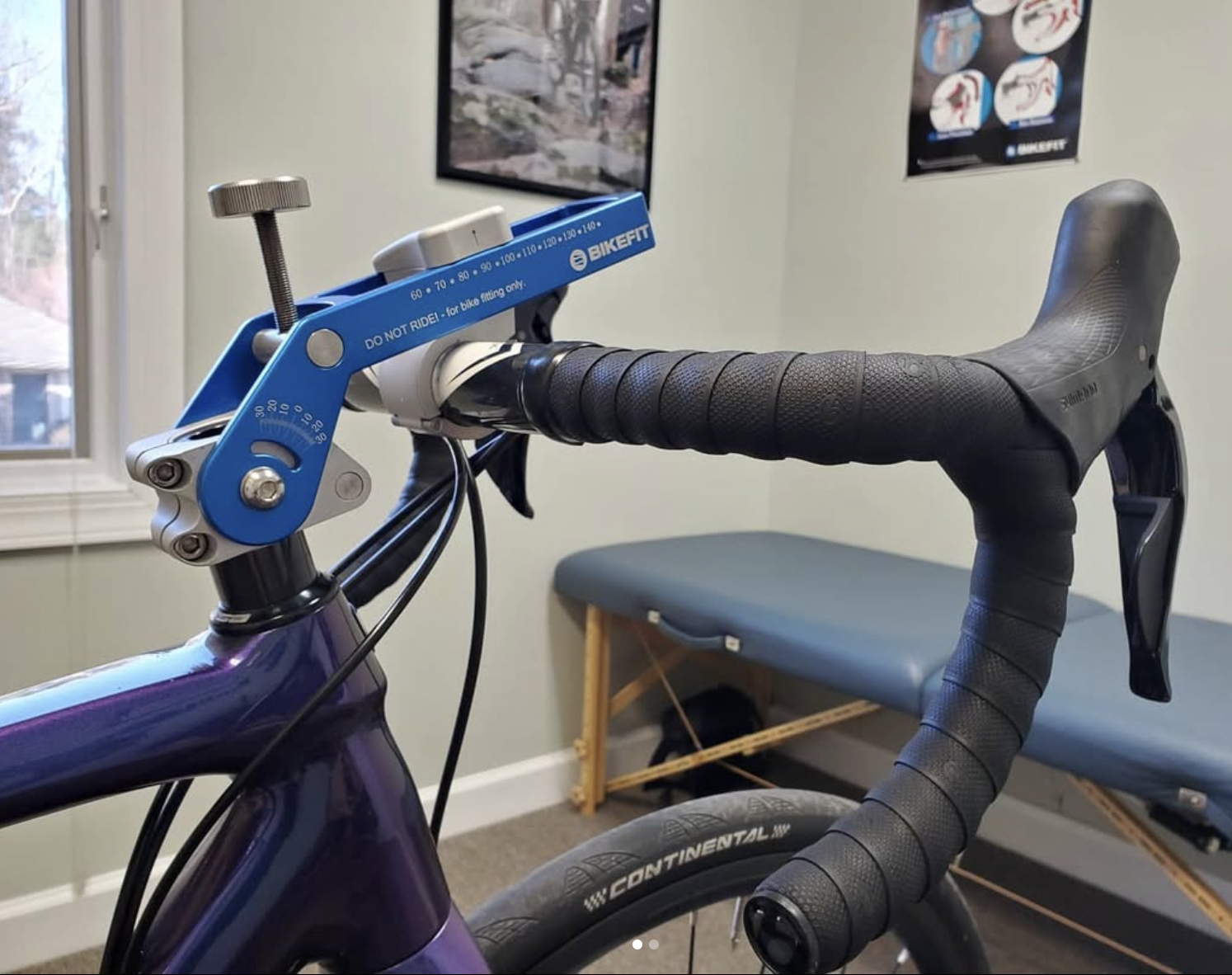
Reach
A proper reach length will provide more control, stability, and maneuverability on the bike. Adjusting the reach shorter or longer can impact how comfortable the rider is, and whether a leisurely or race fit is preferred.
-
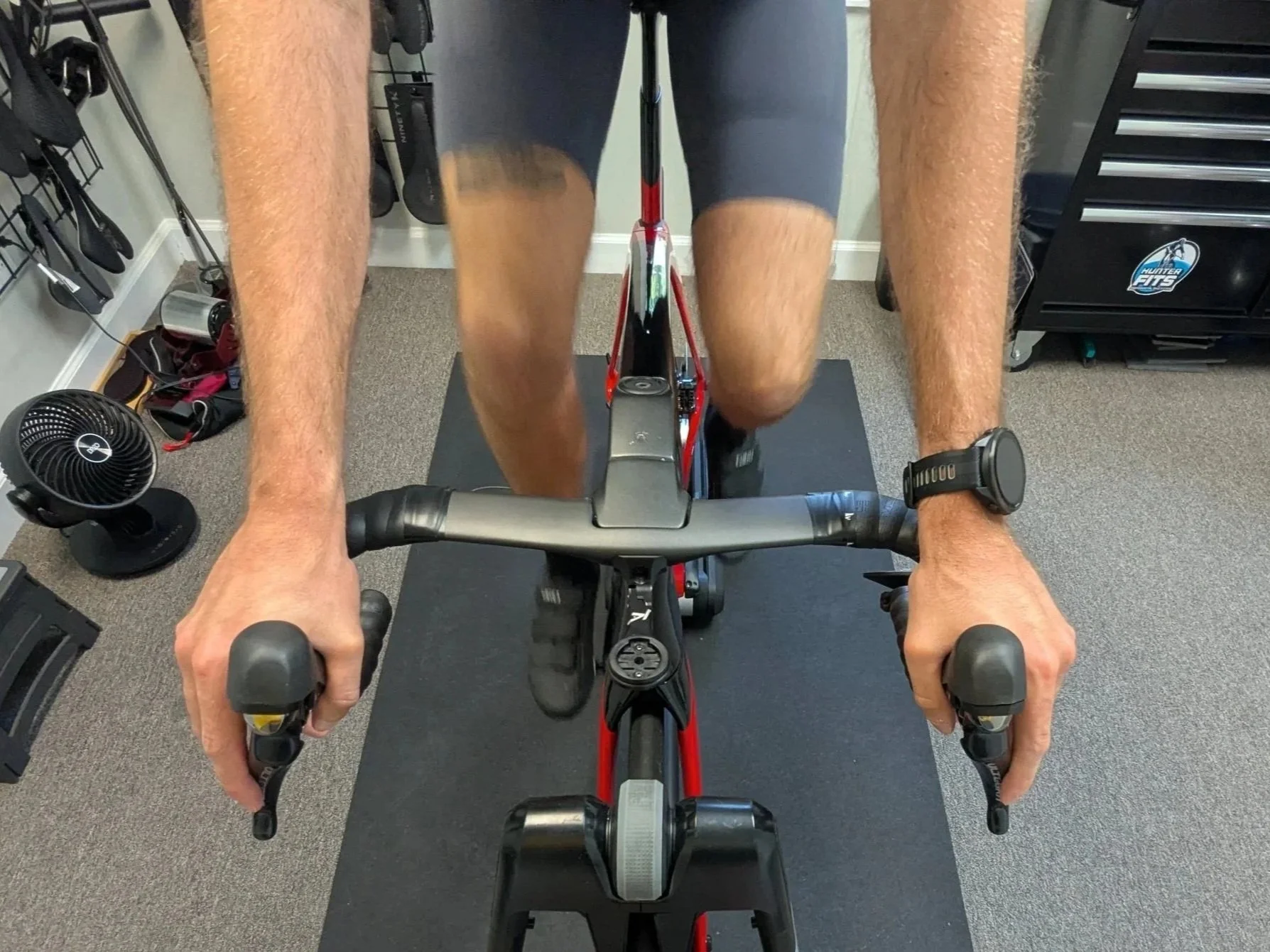
Brake Hood Angle
Hood angles, while often overlooked, can affect reach, posture, hand and wrist positions. Ensuring the proper hood angle will alleviate strain on the wrists and arms, while providing a more comfortable and natural position.